From Brandon Glenn’s Safirst newsletter on LinkedIn.
During my years as a Phoenix firefighter and paramedic, I worked in busy fire stations across the city. In 2016, I responded to my first lithium-ion battery fire.
It was the middle of a Phoenix summer. A recently retired man was charging a lithium-ion battery in his garage. It overheated and started a fire. His retirement gift, a cherry-red C6 Corvette, was destroyed.
Something as routine as charging a battery had become an emergency.
That experience is part of what I bring to Safirst: seeing how everyday conditions become emergencies, and helping people spot the risk first.
Rechargeable batteries now power our jobsites and our homes. Tools, phones, toys, scooters, and e-bikes all need somewhere to charge.
But who is checking where, and how, we charge them?
October 4–10, 2026, is NFPA Fire Prevention Week. This year's campaign focuses on lithium-ion batteries and safe charging. NFPA's 2026 campaign
One charger becomes a charging station
On an active jobsite, a charging setup grows without anyone stepping back to look at it.
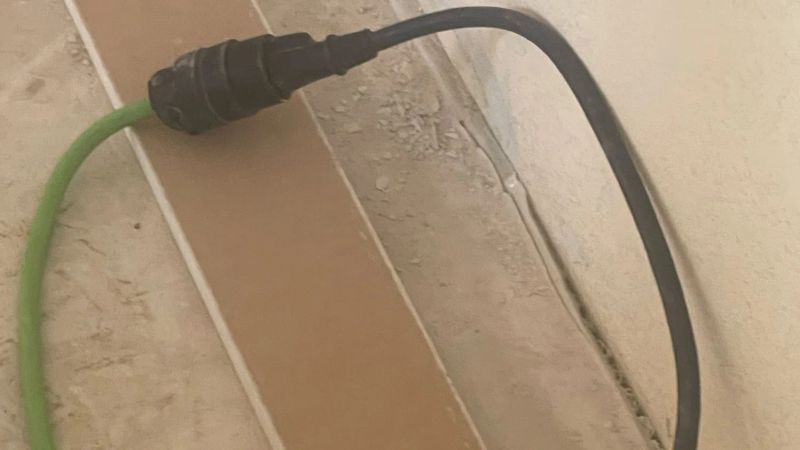
One contractor plugs in a charger. Another adds a power strip. A third brings a splitter. Soon several crews are charging from one power source, surrounded by materials and packaging.
Every addition changes the setup. Someone needs to own it.
Here are five practices I recommend putting into your site procedures:
- Give charging a designated location. Use a stable, noncombustible surface with ventilation. Keep it away from combustibles, exits, stairways, and evacuation routes. Follow the manufacturer's temperature limits. In Arizona, watch the heat inside garages, storage trailers, and parked vehicles.
- Verify the batteries and chargers. Use the manufacturer's charger, or a replacement approved for that battery. A plug that fits is not proof the pairing is safe. Neither is an online listing that says "compatible." Check safety certifications and buy from reliable sources.
- Know the electrical capacity. Have a qualified electrician evaluate the power supply and total charging load. Set a limit on how many batteries charge at once, based on the circuit and equipment ratings. No single number fits every station. Don't daisy-chain power strips or keep adding splitters. Provide a power supply that fits the demand. U.S. Fire Administration charging guidance
- Inspect the equipment every day. Check batteries, chargers, plugs, and cords before use. Look for damaged housings, frayed cords, loose connections, swelling, leaks, or unusual heat. Pull damaged equipment from service, and make clear who to tell.
- Assign someone to manage the station. That person enforces charging limits, keeps the area clear, and checks the setup before the site closes. Disconnect fully charged devices as the manufacturer directs. OSHA's battery-safety guidance
Know when to step back
A failing lithium-ion battery can go into thermal runaway. That's an uncontrolled heating reaction that can spread from cell to cell. Warning signs include swelling, hissing or popping, fast-rising heat, and venting gas. A battery fire can also reignite after it looks out. U.S. Fire Administration
If a battery is smoking, hissing, or heating fast, don't carry it through the building. Alert others and move away. Activate the emergency plan, and call 911 from a safe place.
The priority is getting people out of danger.
Take the lesson home
The fire I responded to in 2016 started in a garage. That's why I want this message to reach beyond our projects.
Walk through your home and look at where batteries charge. Check your tools, your kids' rechargeable toys, and devices plugged in near bedrooms and living spaces.
Use the correct chargers. Keep charging devices off beds and couches, which trap heat. Keep exits clear and follow product instructions. Teach children to tell an adult if a device gets hot, swells, or makes strange sounds.
When batteries wear out, take them to a battery collection program. Never put them in the trash or the recycling bin. Damaged batteries need handling instructions from the collection site. U.S. Fire Administration battery guidance
This week's challenge
Check one charging station at work and one at home. Look at the location, the power supply, the chargers, and the batteries. Then fix what you find.
That cherry-red Corvette was someone's retirement gift. A routine charging habit can cost far more than the battery.
I hope this story helps someone catch a problem early, on a jobsite or in their own garage.
— Brandon Glenn