Newsletter
When the Emergency Plan Gets Put to the Test
Published · 3 min read
This article first appeared in Brandon Glenn’s Safirst newsletter on LinkedIn.
Could your crew get an ambulance to the right gate? Would everyone recognize the evacuation signal? Would they know where to gather?
Those questions become very real when an emergency happens.
What happened
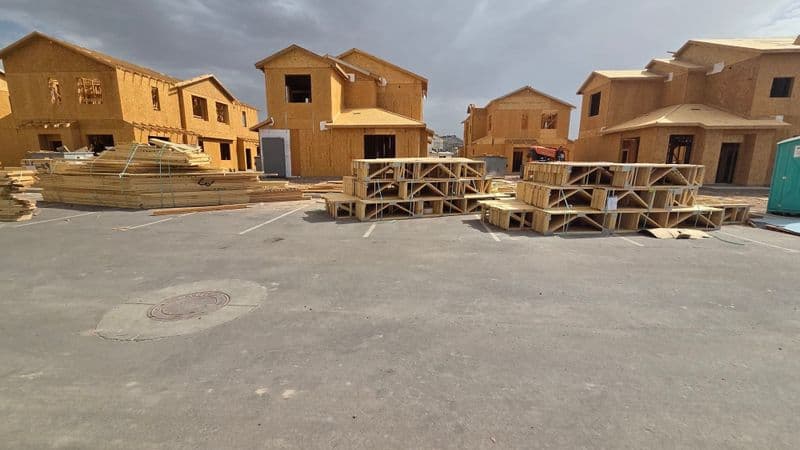
In 2024, we experienced a hot work fire on a large construction project that put the site’s Emergency Action Plan (EAP) and temporary fire protection measures to the test.
The steel subcontractor had not completed the site’s daily hot work permitting process. That process included walking the work area with the superintendent to identify hazards and confirm that conditions were safe before work began.
That critical walkthrough was missed. An active fire watch was also absent. Along with other missed precautions, those failures allowed a preventable situation to develop into a courtyard fire.
Thankfully, other subcontractors noticed the smoke and flames and acted quickly. They gathered the temporary fire extinguishers that the general contractor had provided and maintained in the work area and used them to extinguish the fire.
At the same time, the emergency action plan was activated. Repeated air-horn blasts signaled the evacuation. Crews exited the building and gathered at their designated muster stations.
The outcome could have been much worse. The response showed the value of having emergency equipment available and a plan crews could put into action. It also exposed the consequences of skipping the steps intended to prevent the emergency in the first place.
What contractors and workers can do today
September is National Preparedness Month, led by FEMA’s Ready Campaign. It is a good opportunity to take your emergency plan into the field and check whether it reflects the jobsite your crews are working on today. (FEMA’s September 2026 announcement)
Use these five checks at your next morning huddle:
- Check the work before it starts. For hot work, complete the site’s permitting process, inspect the surrounding area, address fire hazards, and confirm the required fire watch is in place.
- Put your hands on the emergency equipment. Locate the extinguishers and first-aid supplies. Check that crews can access them immediately and that materials or locked doors have not blocked the way.
- Confirm how help reaches you. Post the site address, correct entrance, and directions to the work area. Check communication coverage and assign someone to meet responders at the gate. Do not call 911 for an unarranged test.
- Review the signal and muster location. Ask workers to explain what the evacuation signal sounds like, where they will go, and how their crew will be accounted for. Include every subcontractor and communicate in a language workers understand.
- Walk the route. Construction changes daily. Check whether deliveries, fencing, parked equipment, or new work have affected evacuation routes or emergency access.
These are practical readiness checks. OSHA’s construction medical-services standard also requires advance arrangements for prompt medical attention and accessible first-aid supplies, including kit checks before each job and at least weekly during the job. Arizona incorporates these requirements through its adopted construction standards. (29 CFR 1926.50 · Arizona R20-5-601)
For supervisors: Spend five minutes walking through an emergency scenario with your crew. Confirm who calls for help, who meets responders, and who accounts for workers.
For individual workers: Save the site location in your phone, find the emergency equipment, and know your evacuation route and muster point. Attempting to fight a fire must never delay evacuation or put you beyond your training.
This week’s toolbox-talk question
“If an emergency happened where we are standing right now, what would each of us do first?”
Want the full talk to run with your crew? Use our free Emergency Action Plan toolbox talk, also in Spanish.
That 2024 fire reinforced something I want every contractor to take seriously: the checks before work begins matter, and so does the preparation for what happens when something goes wrong.
— Brandon Glenn