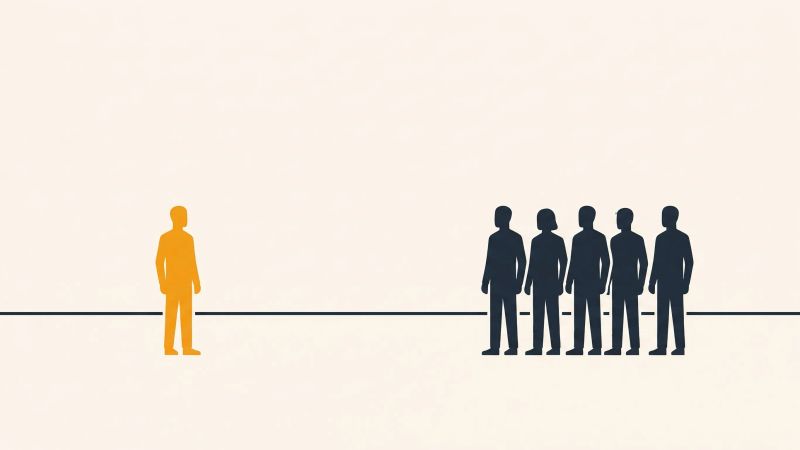
Foreman safety leadership is standing, not personality. A foreman builds it every time he holds a standard in front of his crew and somebody above him backs him for it, out loud, where the crew can hear. Do that for six months and the crew starts holding the line before he says a word.
Some foremen still say it every hour. Tie off. Tie off. Tie off.
Others stopped saying it a while back, because the crew says it now.
Most owners read that gap as personality. The quiet one is a natural leader. The loud one never had it in him. So the fix turns into a hiring problem, and you go looking for better foremen.
I’ve watched both kinds of foreman run crews. The difference was not who they were. It was what happened to them the last time they held a line.
Is Foreman Safety Leadership Something a Guy Has, or Something He Builds?
He builds it. The trade already treats safety leadership as a trainable skill, not a personality type. CPWR’s Foundations for Safety Leadership module teaches foremen five named skills. CPWR says OSHA’s Directorate of Training and Education approved it as an elective in the construction 30-hour course on January 1, 2017.
CPWR’s program page says about one million people have taken the FSL since that rollout, either inside a 30-hour course or through a company or union program. This is not a fringe idea. The industry settled the trainable question years ago.
The researchers name five skills. Two of them, word for word: "develop team members through teaching, coaching, and feedback, and recognize team members for a job well done."
Academic phrasing, not mine. Strip it down and that last one is simple. Tell a man he did right, where people can hear it.
Look at the fifth one. Recognition made the list. It is also the one that almost never leaves the classroom.
Here is where I part with how leadership training gets sold. CPWR’s own researchers studied 286 frontline supervisors who took the 2.5-hour module, published in the Journal of Safety Research in 2020. They observed that the training improved leaders’ understanding of safety leadership skills.
Then they asked the crews. "There were no observed changes in the crew’s reported safety leadership, climate, or behavior."
Read that twice. The foreman learned the skills. His guys did not notice.
That is not a knock on the training. It is the whole argument of this article. Standing does not live in the foreman’s head. It lives in what his crew believes will happen to him after he holds a line, and a class in a trailer cannot reach that.
What Does It Cost a Foreman the First Time He Holds a Standard Alone?
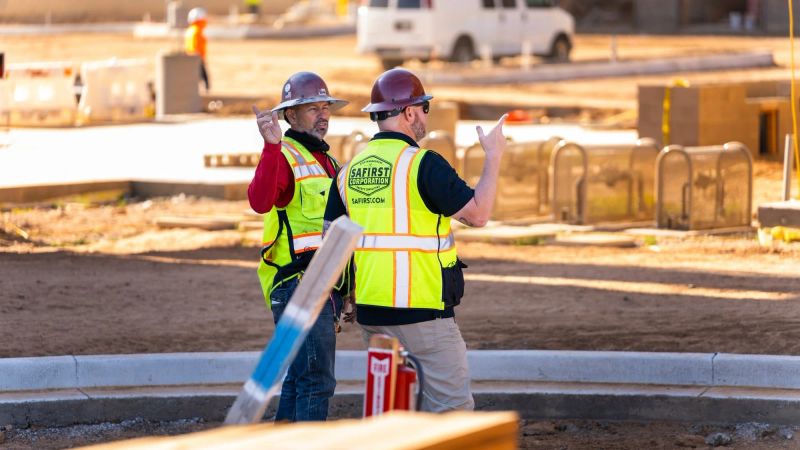
It costs him standing with the guys he eats lunch with, and he pays it up front, by himself. Nobody above him is on that deck at 9:40. The stop costs the crew an hour, the foreman takes the look, and whether anything good ever comes back to him is entirely your call.
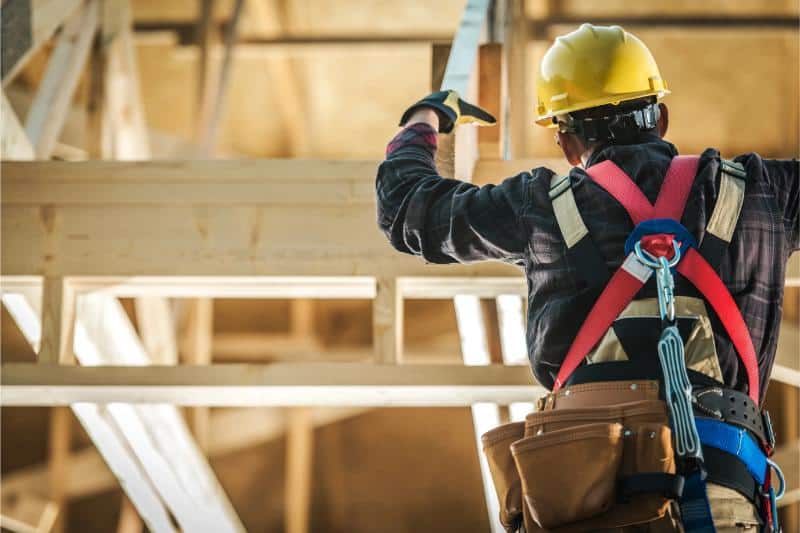
I stopped work on a Phoenix job where a crew was up on the exterior top plate, thirty feet in the air, none of them tied off. I’ve told that scene before, so I’m not running it again here.
What matters today is what the foreman told me after. He was intimidated. Too intimidated to enforce the tie-off rule, because he knew how his guys would respond.
The fix we landed on had three parts. Take the fear out. Flip the power structure so the crew holds the standard too. Then recognize him for it, on purpose, where people can hear.
The first two get written about constantly. The third one is the one that compounds, and it is the one I almost never see a company do deliberately.
Our inspectors logged 825 fall protection violations across 95 Arizona contractor clients between August 2025 and August 2026 (Safirst inspection data, 2025-2026). Nationally, fall protection is OSHA’s most-cited standard, at 5,914 to 6,992 citations annually.
Those are the failures. Now try to pull the other number.
How many times last year did one of your foremen stop a man, hold the line, eat the schedule hit, and have absolutely nothing happen to him for it?
You don’t have that number. Neither do I. Every one of them was a quiet lesson the crew learned about what holding a standard is worth around here.
Your foreman is not scared of ADOSH. ADOSH might never walk his gate. His crew shows up Thursday.
How Does Recognition Turn One Stand Into the Crew’s Default?
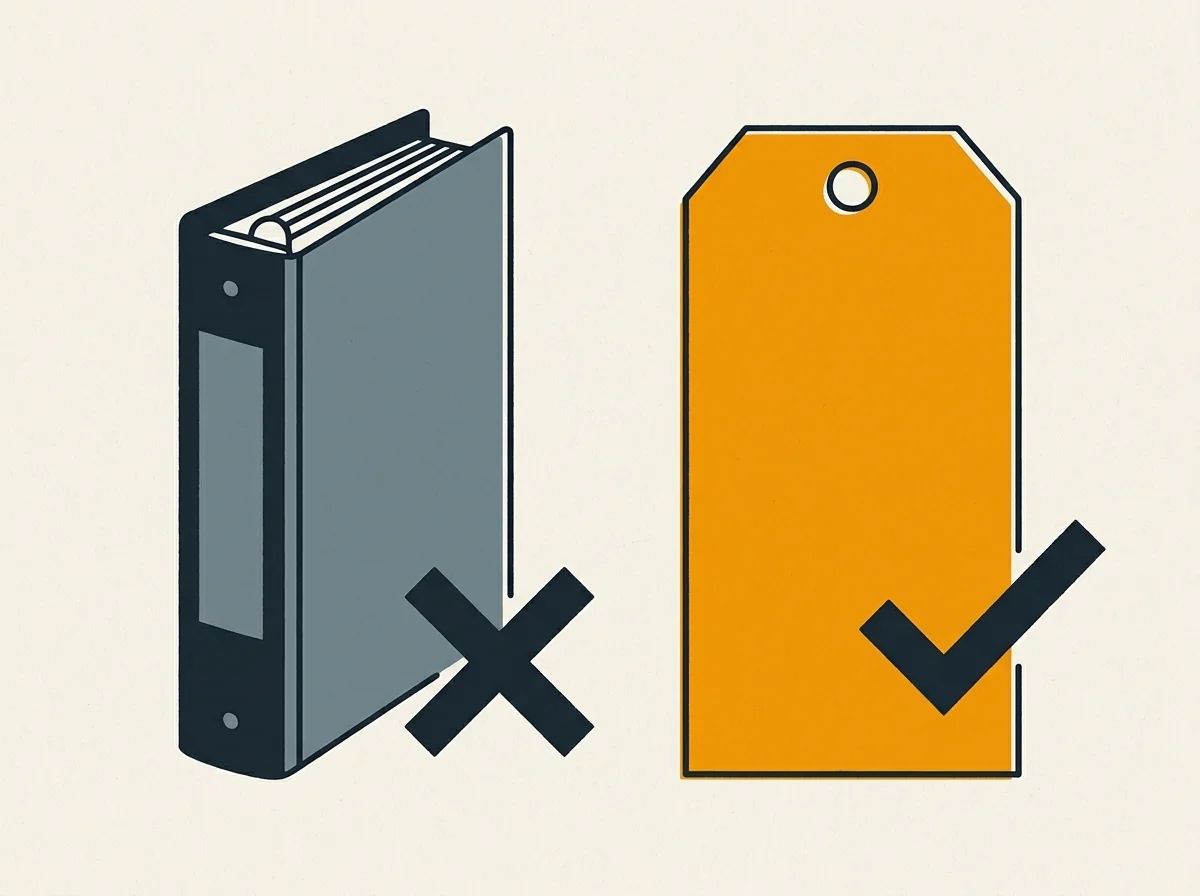
Recognition moves ownership of the standard off one man and onto the group. Every time a foreman is publicly credited for holding a line, his crew watches what holding it bought him. Do that four or five times and stopping work stops being a risk a guy takes. It turns into the thing that earns you respect on this job.
OSHA wrote the crew into this, not just the foreman. Under 29 CFR 1926.503(a)(2), as of the 2026 code, "The employer shall assure that each employee has been trained, as necessary, by a competent person qualified in the following areas:" and that list includes "The role of each employee in the safety monitoring system when this system is used" and "The role of employees in fall protection plans."
The role of employees. Plural. The standard never imagined one man enforcing a rule on nine others.
Recognition is how that line stops being paperwork.
Four rules for doing it so it lands:
- Name the act, not the man. "He shut the east elevation down Tuesday until the anchor was set. Cost us about an hour." Not "he’s a good leader." Nobody can copy a compliment. Anybody can copy an act.
- Say it in front of the crew, not in the truck. Private thanks protects his feelings. Public credit builds his standing. It has to be SEEN.
- Credit the stands that cost something. If the stop cost no time, no money and nobody’s mood, your crew already knew it was free. The expensive ones are the ones worth naming.
- Send it up the same week, in writing. One line to your PM or the GC’s super, with the foreman copied. The crew has to see that holding a standard travels upward and lands somewhere good.
| What most jobs recognize | What builds a foreman’s standing |
|---|---|
| A clean month with no recordables | The one stop-work that cost an hour |
| Attendance at the toolbox talk | The foreman who ran the TBT two men short |
| A binder that survived the audit | The guy who called in his own near miss |
| The crew that finished early | The crew that said the anchor wasn’t set yet |
In my experience it runs about like this. Month one is awkward and he shrugs it off in front of the guys. Do it anyway. By month three somebody on the crew says it back to you before you get there. By month six he has quit repeating tie off every hour, because his guys handle that now — and it cost you nothing except the nerve to say something out loud on purpose.
What Does a Foreman Need From You to Keep Holding the Line?
Four things, and not one of them is another class. He needs authority he can say out loud, backing inside the same shift when a stand costs schedule, credit that travels past him, and a job sequenced so the standard is keepable at all. Give him three out of four and he quits holding it by spring.
- Authority with a sentence attached. Write the exact words and hand them to him. "You can stop any task on this job, any time, and you don’t need my permission first." A foreman guessing where his authority ends will guess low every single time.
- Backing inside the same shift. He stops work at 9:40 and the GC calls you at 10:15. His crew will know which way you went before lunch. Support at the quarterly meeting is not support.
- A job that lets him keep it. Count the anchor points on the deck your crew works tomorrow. One anchor and twelve men means your foreman spends the day negotiating instead of enforcing. That is a sequencing and purchasing decision. It is yours, not his.
- A second man on the standard. Standing does not get built alone. Find the one guy on the crew who backs him out loud, and recognize that man by name the same day. That is what flipping the power structure looks like on an ordinary Tuesday.
The daily version of all four is the ten minutes at the tailgate before the first task, which is its own article on pre-work safety planning. Two more are coming behind it: the one-page planning sheet a foreman fills out before work starts, and a piece on cutting OSHA citations that starts somewhere other than a fine schedule. None of that set is live yet, so I’m not sending you anywhere.
What Recognition Can’t Fix
Recognition aimed at outcomes does real damage. Credit behavior, never the scoreboard.
A crew that learns a clean month earns the steak dinner learns to keep the month clean on paper. Reporting dries up and you never watch it happen. The law only marks the outer edge of this. 29 CFR 1904.35(b)(1)(iv), as of the 2026 code, says "You must not discharge or in any manner discriminate against any employee for reporting a work-related injury or illness." Read that as the floor, not the whole question.
Second, some guys are in the wrong seat and no amount of public credit fixes it. I’ll grant the personality argument that much. You would know inside a month, though, and it is rarer than the people making hiring decisions think. Most of the foremen you are about to replace are foremen nobody ever backed.
Third, and I owe you this one honestly: the best study I have on foreman leadership training is the one that found nothing changed for the crews. I read that as a dosage problem, not as proof that leadership work fails. That is my read, not the researchers’. What I have on top of it is field observation across our Arizona client base, not a controlled trial tying recognition to TRIR or EMR.
And I’m not giving you legal advice about your own program. For what you owe, how fast you abate it, and what you hold on file, consult your safety professional.
Give One Foreman Credit in Front of His Crew This Week
Somebody on your job stopped work in the last thirty days. Go find out who it was, and what it cost him.
Then say it back to him standing in front of his crew. The act, the day, the price. Twenty seconds before the first task.
Send the same two sentences to his boss and copy him on it.
That’s the intervention. No class, no binder, no rollout.
Twenty foremen is a different animal. Somebody has to know who held what, keep the certs current, chase the acknowledgments, and have all of it ready the day an inspector asks. That is a team’s worth of work, and most contractors are running it off one person and a truck full of binders. Safirst ONE takes that work off the team: training, records, reminders and toolbox talks that run and file themselves, so your hours go to the foreman conversation instead of the filing.
Want somebody standing next to you for the first one? Ask us out to a jobsite for a morning.
He already held the line once. Whether he does it again in March depends on what happened to him afterward, and that part was always yours.