Pre-Work Planning
The Construction Compliance Checklist Every Contractor Needs
Published · 8 min read

Ensuring construction site compliance is a paramount responsibility for all contractors. From upholding worker safety to avoiding costly penalties, adhering to regulations is crucial for the success and longevity of any construction business. In Phoenix, Arizona, understanding and navigating the intricate web of safety regulations is essential for contractors to maintain a safe and lawful work environment. This comprehensive compliance checklist will serve as your guide to navigating the complexities of construction compliance in the region.
Understanding Construction Compliance: Why It Matters
Construction compliance encompasses a wide range of safety standards, codes, and regulations designed to protect workers, the public, and the environment. In Phoenix, AZ, failure to comply with these regulations can result in severe consequences, including hefty fines, project delays, and even legal liabilities. Achieving and maintaining compliance not only ensures a safer work environment but also fosters a reputation for reliability and responsibility, which can be a competitive advantage in the industry.
Compliance is not merely a box-ticking exercise; it is a proactive approach to risk management that can prevent accidents, injuries, and costly legal battles. By prioritizing compliance, contractors can streamline their operations, enhance efficiency, and ultimately create a safer and more productive work environment for everyone involved.
Navigating Federal and Local Safety Regulations in Phoenix
Construction projects in Phoenix are subject to a multitude of safety regulations, both at the federal and local levels. At the federal level, the Occupational Safety and Health Administration (OSHA) sets forth a comprehensive set of standards that all construction companies must adhere to. These standards cover various aspects of construction work, including fall protection, excavation safety, scaffolding requirements, and hazardous material handling.
In addition to federal regulations, Phoenix has its own set of local ordinances and regulations that contractors must comply with. The Arizona Revised Statutes (A.R.S.) outline specific requirements for construction projects within the state, including building codes, zoning laws, and environmental regulations. These local regulations often complement and build upon the federal standards, addressing unique regional challenges and ensuring a consistent level of safety across the state.
It is crucial for contractors to stay informed about the synergies and differences between federal and local regulations to ensure comprehensive compliance. Failure to account for both sets of regulations can lead to costly fines, project delays, and even legal repercussions.
Essential Safety Gear and Equipment for Compliance
Achieving compliance on a construction site requires more than just adhering to regulations; it also involves equipping workers with the necessary safety gear and equipment. From hard hats and personal protective equipment (PPE) to fall protection systems and ventilation equipment, investing in certified and up-to-date safety gear is paramount for ensuring worker safety and meeting compliance standards.
Hard hats, for instance, are a non-negotiable requirement on construction sites, protecting workers from falling objects and potential head injuries. Similarly, PPE like safety glasses, gloves, and high-visibility clothing are essential for minimizing exposure to hazards and ensuring worker visibility on the job site.
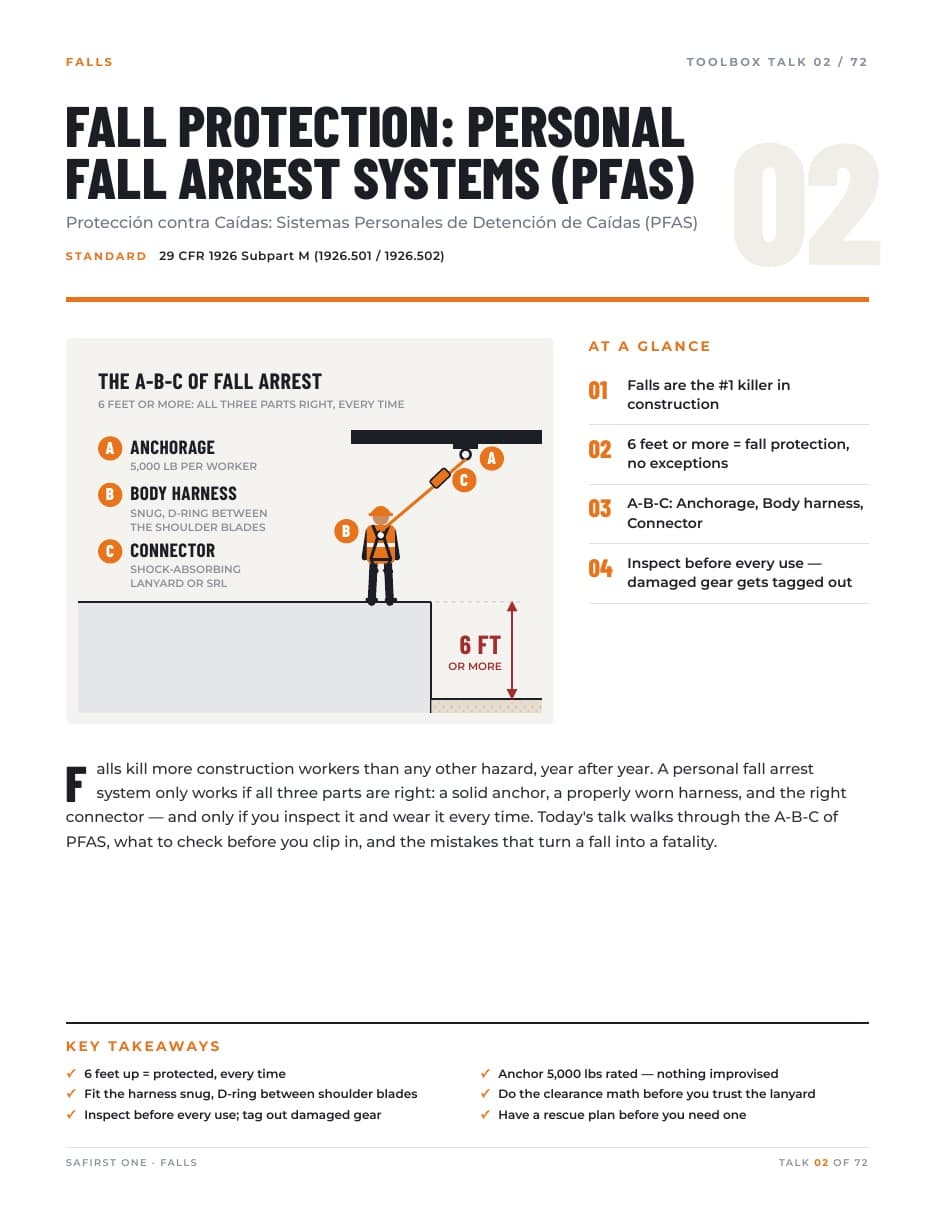
In addition to personal protective gear, contractors must also invest in larger safety equipment, such as scaffolding systems, fall arrest systems, and proper ventilation equipment for confined spaces. Using certified and well-maintained equipment not only ensures worker safety but also aids in passing inspections easily, as inspectors will closely examine the condition and compliance of all equipment on-site.
Creating a Comprehensive Compliance Plan
Achieving and maintaining compliance is an ongoing process that requires a well-crafted plan tailored to the specific needs of each construction project. The first step in creating a comprehensive compliance plan is to conduct a thorough site assessment and risk evaluation. This process involves identifying potential hazards, assessing the likelihood and severity of potential incidents, and implementing appropriate control measures.
Once the risks have been identified, contractors should develop a detailed compliance plan that outlines the specific safety protocols, procedures, and training required for the project. This plan should also include emergency protocols for responding to accidents, injuries, or other unexpected events on the job site.
A robust compliance plan serves as a roadmap for maintaining safety standards throughout the project’s duration, ensuring that all workers are aware of their responsibilities and that appropriate measures are in place to mitigate risks. Regular review and updates to the plan are essential to account for any changes in site conditions, regulations, or best practices.
Training and Certification: Preparing Your Team
Achieving and maintaining compliance is not solely dependent on having the right equipment and plans in place; it also requires a well-trained and knowledgeable workforce. Training and certification play a pivotal role in cultivating a safety-first mindset among workers and empowering them to recognize and mitigate potential hazards on the job site.
In Phoenix, various training programs and certification options are available to equip workers with the necessary knowledge and skills to comply with safety regulations. These programs cover a wide range of topics, including fall protection, excavation safety, hazardous material handling, and emergency response procedures.
Continuous education and refresher training are essential to ensure that workers remain up-to-date with the latest safety practices and regulatory changes. By investing in training and
certification programs, contractors can foster a culture of safety on their job sites, reducing the risk of accidents and injuries while simultaneously demonstrating their commitment to compliance.
Regular Inspections and Audits: Staying Ahead of the Curve
Maintaining compliance is an ongoing process that requires regular inspections and audits. These routine checks serve as a proactive measure to identify potential safety lapses or areas of non-compliance before they escalate into more significant issues. By conducting regular inspections, contractors can stay ahead of the curve and address any concerns promptly, ensuring a safe and compliant work environment.
Inspections and audits should be conducted by trained professionals who are familiar with the latest safety regulations and best practices. These professionals will assess the job site, examine equipment and documentation, and provide feedback on areas that require improvement or corrective action.
Establishing an effective auditing schedule and utilizing comprehensive checklists can streamline the inspection process, ensuring that no aspect of compliance is overlooked. Additionally, maintaining detailed records of these inspections and any corrective actions taken can demonstrate a contractor’s commitment to ongoing compliance and serve as valuable documentation in the event of an audit or legal dispute.
Documentation and Record-Keeping: Your Compliance Backbone
Meticulous documentation and record-keeping practices are the backbone of any successful compliance program. Maintaining organized and comprehensive records of inspections, training, permits, and incident reports can make demonstrating compliance simpler and more transparent, especially during unplanned evaluations or audits.
Contractors should establish a robust record-keeping system that documents every aspect of their compliance efforts, from employee training logs and equipment maintenance records to site inspection reports and incident investigations. These records not only serve as evidence of compliance but also provide valuable insights for identifying areas for improvement and optimizing safety protocols.
In the event of a compliance audit or legal dispute, well-maintained records can be invaluable in demonstrating a contractor’s commitment to safety and compliance. By prioritizing documentation and record-keeping, contractors can establish a strong foundation for their compliance program and build a reputation for transparency and accountability within the industry.
Emerging Technologies: Enhancing Safety Compliance Efforts
In today’s rapidly evolving construction landscape, emerging technologies are playing an increasingly significant role in enhancing safety compliance efforts. From drones for site inspections to wearable tech for monitoring worker health, these cutting-edge solutions are revolutionizing the way contractors approach safety and compliance.
Drones, for instance, offer a safer and more efficient way to inspect hard-to-reach areas or monitor progress on large-scale projects. By leveraging drone technology, contractors can identify potential hazards or areas of non-compliance without putting workers at risk, reducing the likelihood of accidents and injuries.
Wearable technology, such as smart helmets and safety vests, is another game-changer in the realm of construction safety. These devices can monitor workers’ vital signs, track their movements, and even alert supervisors in the event of a fall or other emergency situation. By leveraging this data, contractors can proactively identify and address potential safety concerns, ensuring a more compliant and safer work environment.
Additionally, specialized software solutions are available to streamline the management of compliance data, including inspection records, training logs, and incident reports. These digital platforms enable contractors to easily access and analyze compliance data, facilitating more informed decision-making and enhancing overall safety performance.
Adapting to Changes and Updates in Safety Regulations
Construction safety regulations are not static; they are constantly evolving to address new challenges, incorporate technological advancements, and reflect the latest industry best practices. As such, it is crucial for contractors to stay informed about updates and changes in safety regulations to ensure ongoing compliance and maintain a safe work environment.
Monitoring regulatory updates can be achieved through a variety of channels, including subscribing to industry newsletters, joining professional associations or trade groups, and regularly consulting with local regulatory bodies or safety consultants. By staying proactive and informed, contractors can anticipate and adapt to regulatory changes, avoiding sudden disruptions or costly penalties due to non-compliance.
Additionally, contractors should regularly review and update their compliance plans, training programs, and safety protocols to align with the latest regulatory changes. This proactive approach not only ensures compliance but also demonstrates a commitment to prioritizing worker safety and fostering a culture of continuous improvement within the organization.